Skip to content

Orphans

Religion that is pure and undefiled before God the Father is this: to visit orphans and widows in their affliction, and to keep oneself unstained from the world.
~ James 1:27

Nepal

Children in need

Roughly 1 million children under the age of 18 are orphans. Many orphans in Nepal still have one living parent but were placed into care because of poverty, lack of access to schooling, or unsafe home conditions.

Education Barriers

Children in rural Nepal often lack access to consistent schooling, qualified teachers, and basic supplies. Many orphanages provide the only pathway to education.

Basic Needs

A large number of children lack secure access to clean water, nutrition, clothing, and healthcare – making orphanages essential for survival and dignity.

Healthcare Challenges

Nepal has limited access to medical care in rural provinces. Many children suffer from preventable illnesses due to poor sanitation, malnutrition, and a lack of clinics.

Poverty and Trafficking Risks

Nepal faces significant child-trafficking issues, particularly after natural disasters or economic hardship. Safe homes protect children from exploitation.

Lack of Social Safety Nets

Nepal’s social welfare system is underdeveloped. Orphanages and nonprofits fill major gaps in protecting vulnerable children.

Closed country

Religious freedom is not allowed. Religion cannot be openly shared.

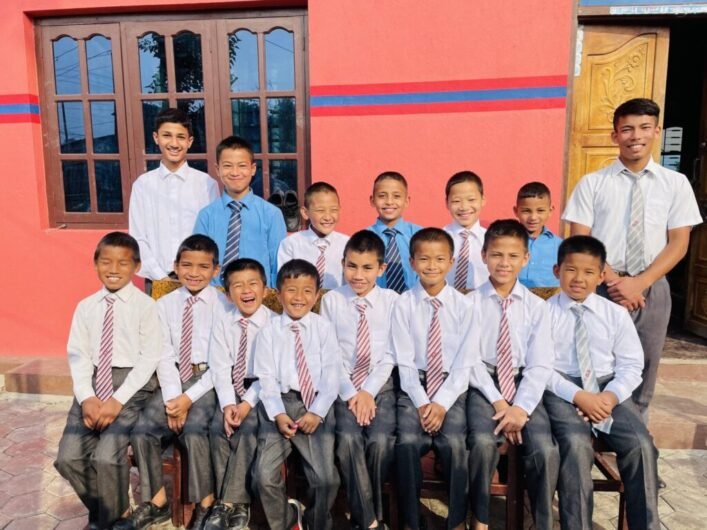
WhatsApp Image 2025-04-09 at 19.02.17_fdc9d5d7

A few local Christian men and women have dedicated themselves to caring for this group of boys. These boys are from various difficult backgrounds where they now receive shelter, food and education whilst being taught the good news of the gospel.

Caring for these boys is a full-time job and requires significant funding. All funds raised will go towards the physical needs of these children.
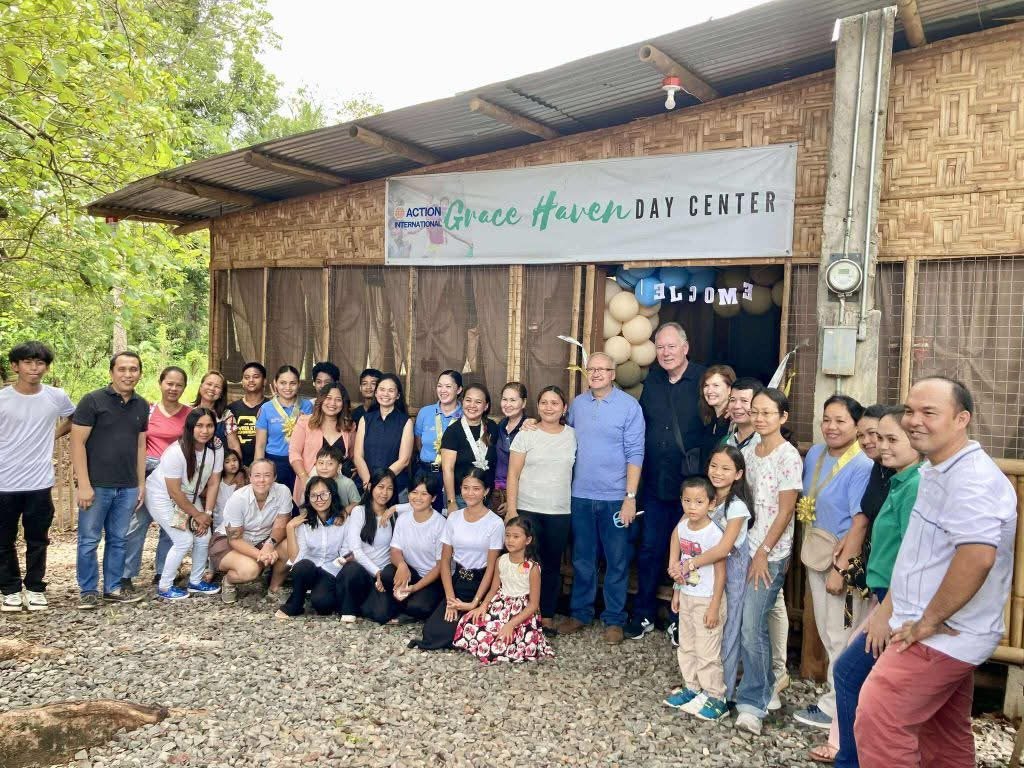
centre-building

The Allin family started Grace Haven Day Centre in January 2025 after working with street children and homeless families. Trevor was a pastor in the UK for 25 years and Katrina was a support teacher in a UK school.

Both are now field workers with Action International who have worked with children in the Philippines for 50 years. Based in Cagayan de Oro, Mindanao Philippines, they are committed to preventing vulnerable children from becoming street children.

Their focus: Prevention rather than intervention. By reaching children before they end up on the streets, we can change their entire life trajectory through education, nutrition, and care.

Philippines

Children in need

Many children in the Philippines live in extreme poverty, unstable homes, or dangerous environments, even if they are not “orphans” by definition. Large populations live in slums with poor sanitation, unsafe housing, and limited access to clean water – placing children at significant health and safety risks.

Frequent Natural Disasters

The Philippines is one of the most disaster-prone countries in the world. Typhoons, floods, earthquakes, and volcanic eruptions often leave children displaced and without shelter.

Healthcare Inequality

Children in poor or rural areas face high rates of malnutrition, preventable illness, and limited access to medical services.

Poverty and Trafficking Risks

Child trafficking, online exploitation, and domestic abuse remain serious issues. Orphanages and child-care ministries provide safe refuge and long-term protection. Thousands of children live or work on the streets, exposed to violence, trafficking, or exploitation. Safe homes and care centres protect them from severe risks.